

Note: The delightful, immensely talented Abigail Curtis, who has been my friend and colleague for more than 20 years - starting when we were both interns at the Bangor Daily News - wrote this lovely piece. Unfortunately, I cannot at the moment include her official byline as she does not have a Substack login, and I can’t reach her by text or email because she and her husband are out camping in the boonies in northern Maine and don’t have cell service (lucky). If you’re familiar with her work, you’ll recognize her distinctive voice pretty quickly. Thanks, Abby! We’ll fix it later!
Let Proust have his madeleines. For me, the taste that brings a flood of memories is a little more downmarket but no less sublime: griddled hot dogs topped with fried onions, served up at the Kiwanis Auction in Orono.
Orono, my hometown, is often a place that people pass through rather than set down their roots - college kids, grad students, itinerant faculty families, I am looking at you. That makes the roots that do exist here all the more important: the 90s music eternally queued up in the booth jukeboxes at Pat’s Pizza, the soft ozone smell of the Stillwater River after a rainstorm, the sound of bleachers full of fans belting out the OHS school song during a football game.
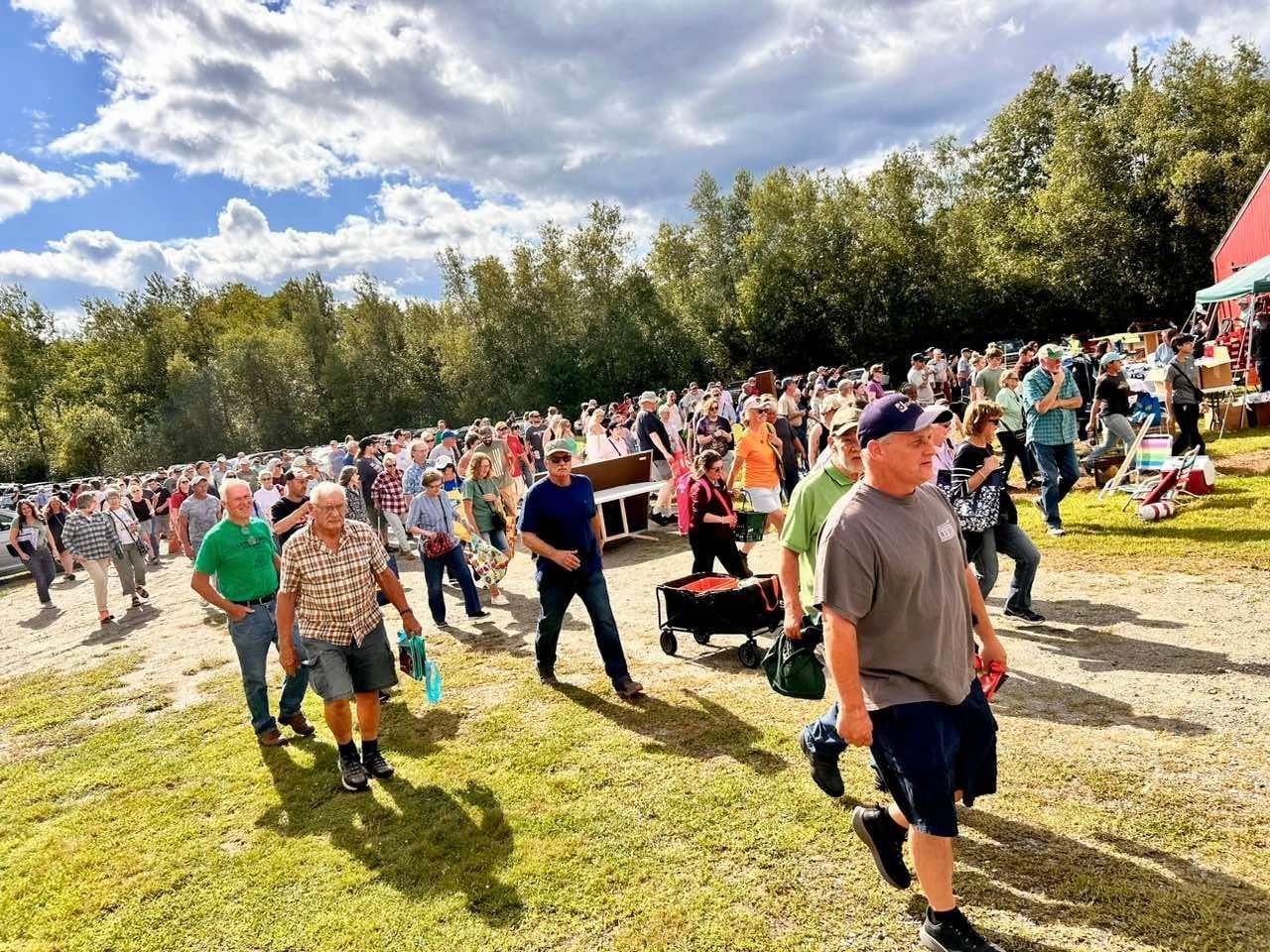
To that list, then, add the Orono-Old Town Kiwanis Auction & Yard Sale, which will celebrate its 79th event on Friday, Aug. 21 and Saturday, Aug. 22 at the auction barns at 168 Forest Ave. in Orono. Doors open at 3:30 p.m. both Friday and Saturday for the yard sale, and the auction action starts at 5:30 p.m.
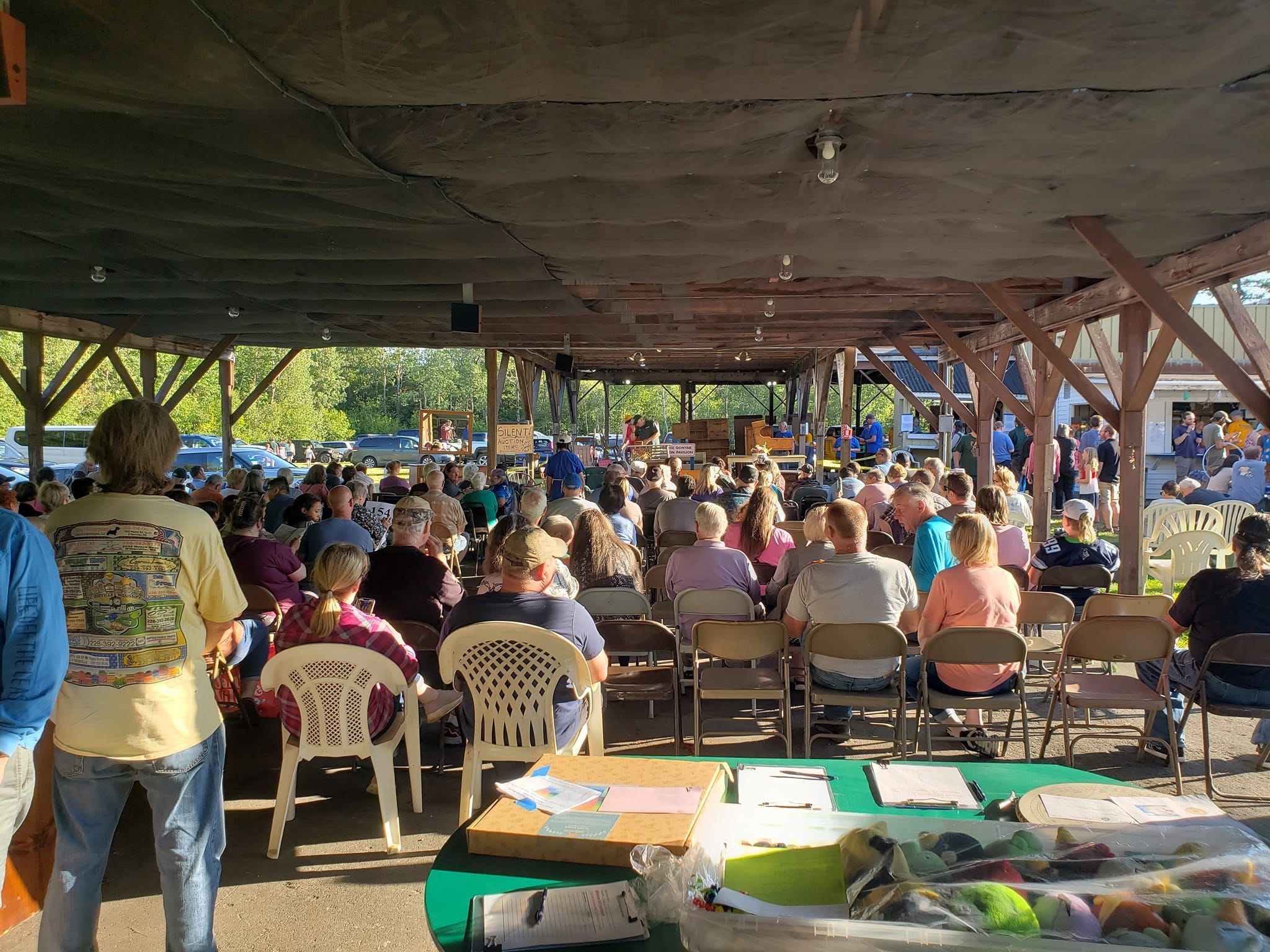
Inside the normally quiet barns, busy Kiwanians like my mom, Rose Marie, sell a huge variety of used goods, including books, bikes, toys, sporting goods, furniture, and kitchen supplies. Next door, under the auction pavilion, a different energy takes hold as Kiwanian auctioneers work hard to gin up excitement for donations deemed good enough for the block.
Bargains abound, but all the funds raised are for charity, so there’s no harm in being as generous as possible. The Kiwanis Club typically raises $30,000 or more during the auction. They spend the money on local youth programs, scholarships, and small grants to worthy causes like the Old Town Little League and Orono High School’s Project Angel Tree, which provides Christmas presents and essential items for local kids in need.
The Kiwanis tradition grew out of the Progressive Era, when early 20th-century Americans grappling with political division, economic inequality, and rapid societal shift (sound familiar?) looked for practical ways to strengthen their local communities. Service organizations boomed, with the first Kiwanis club founded in 1915. By 1935, a group of local businessmen had chartered the Orono club, and by 1946, the Orono-Old Town Club held its very first auction. If it weren’t for the pandemic, this year would mark the 80th anniversary of the auction.
The club has helped local communities in lots of ways since then, many of which I’d hazard a guess most people no longer know about. I didn’t. Until I started researching for this story, I didn’t realize that the Kiwanians built the Nickerson Municipal Pool in Orono in 1953, a place where I took swimming lessons and spent countless childhood summer afternoons. They also began Orono’s school lunch program, helped to found the first Orono Festival Days, supported both the Orono and Old Town public libraries, provided a dictionary or thesaurus to every third grader in six area elementary schools, gave each incoming kindergartner a book, ushered at UMaine sports events, and much more.
Kiwanians, in short, are dedicated civic volunteers, and they do a lot. But the heyday of the service clubs is in our collective rear-view mirror. Membership has declined in the Orono-Old Town Kiwanis Club, as it has across the country. Younger people are more likely to see such clubs as anachronistic or old-fashioned; donning the red Kiwanis blazer or the Shrine Club fez no longer seems relevant to our lives today.
But if the last 80 years have taught us anything, it’s that Kiwanians can do hard things. Their hair may be greyer, but their smiles are no less bright as they welcome visitors to the auction, which has been a highlight of the summer for as long as I can remember.
My favorite place at the auction was always the book barn, where the smell of bug spray and old books mingled into an unforgettable perfume. I would scour the shelves for old favorites and new worth-a-reads, the stack of dogeared paperbacks under my arm growing to Herculean proportions before one of the kindly Kiwanians let me fill a grocery bag to pick up later. As a young teen, I would dig into my pocket for dollars earned babysitting to pay for teen romances, anything from Madeleine L’Engle’s oeuvre, books like Nancy Drew and Trixie Belden which were probably too young for me, and books that looked daunting but thrilling, like The Color Purple by Alice Walker. You could lose yourself in the crammed aisles. I know I did. I only had to make sure that I checked out by closing time, when the book barn Kiwanians gently teased me and asked about my family. They were never very far away.
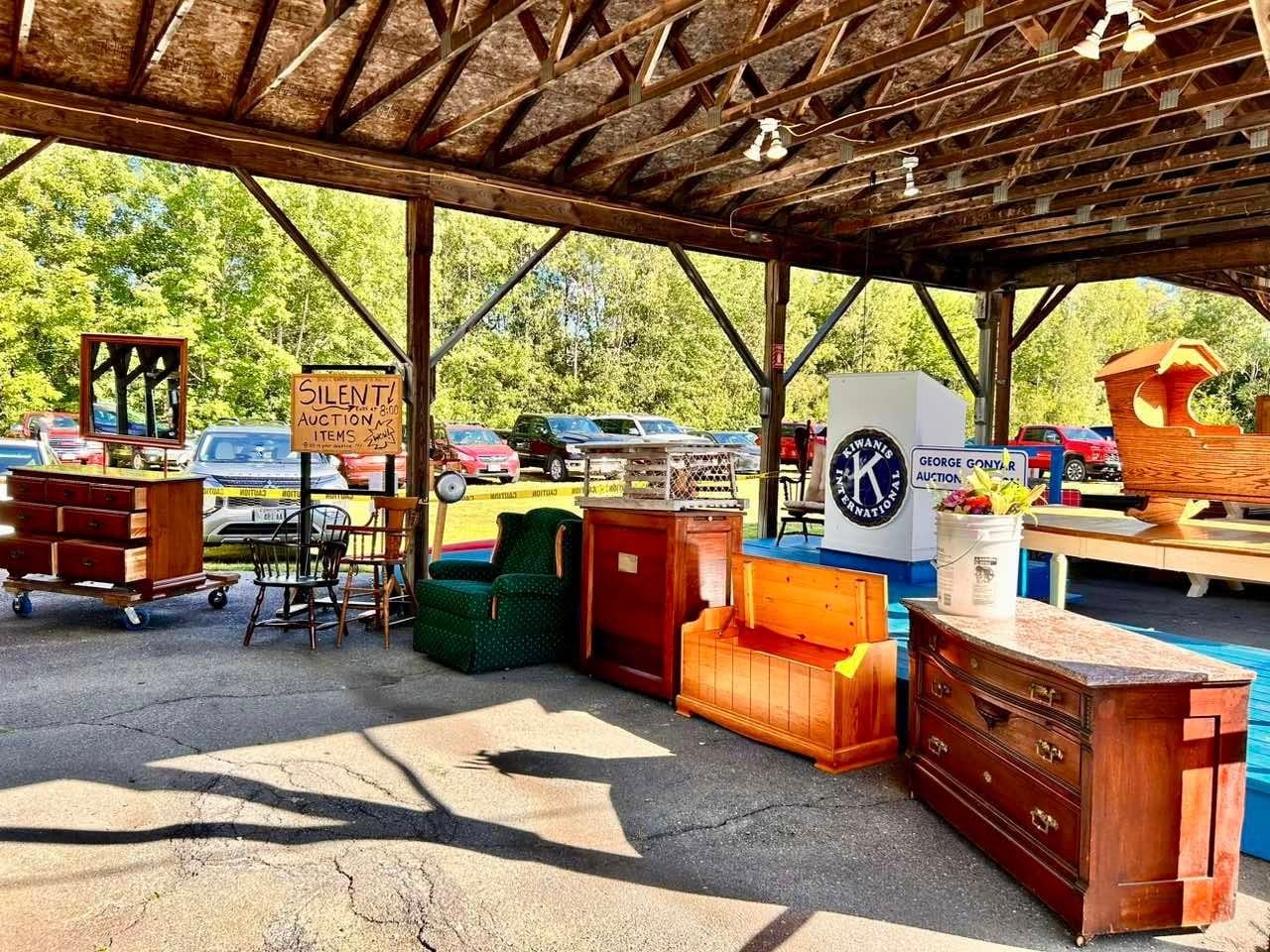
In the trash-and-treasures barn, my mom would let people dicker over items you’d have to squint hard to find the utility in. Over at the auction block, my late dad, Ted Curtis, took his turn as an auctioneer, urging folks to bid ever higher on antique furniture, Old Town canoes, and what-have-you. I remember storied weekends in the 1990s when the bidding was fast and furious, and went on so long that sometimes my parents wouldn’t return home until midnight, tired but elated and ready to do it again the next day.
If there’s a heaven, I sometimes think it’ll feel like the Kiwanis Auction on a starry summer night, hot dog in hand, books in a bag, with everyone I loved milling around me, and my dad behind the microphone, making dorky jokes that people laughed at mostly because they liked him.
Still, Kiwanians must change with the times. In the last few years, they have switched the dates of the auction from July to August to fit better with the back-to-school schedule for students at the University of Maine, and built a beautiful three-season book barn. Nowadays, rather than just opening to the public once a summer, they hold periodic Saturday events in the spring, summer, and fall to sell books, bikes, household and holiday items to the community.
They are adapting because the work still matters, even if the world looks a lot different than it did in 1946. Institutions like this can’t survive on nostalgia alone; they survive because people keep showing up to carry the box, call the bid, or buy the book.
So if you find yourself on Forest Avenue later this month, pull into the Kiwanis parking lot. Buy a paperback, bid too much on a paddleboard or armoire, or just grab a hot dog topped with fried onions and listen to the neighborly chatter all around you. The world changes, but for one weekend every summer in Orono, the best parts of it remain right where they belong.